Pioneer Valley High School Panthers logo
PVHS Digital Media
Pioneer Valley High School · Santa Maria, CA
Meet Our Teachers

Digital Media · Program 02

Digital
Arts

Design with intention. Two courses that build from the elements of art to brand systems and portfolio quality work in Adobe Illustrator and Photoshop.

Level 1 · Foundation

Digital Arts 1

The foundation design course. Students learn the elements and principles of design and the industry standard Adobe tools to make clean, intentional graphics.

  • a-g creditUC / CSU “F” Visual and Performing Arts
  • Taught byChris Silva · Rileigh Mankin
  • Who it is forOpen to all students, no experience required. The entry point to the design and graphic arts pathway.
  • SoftwareAdobe Illustrator for vector art, logos, and type. Adobe Photoshop for image editing, compositing, and mockups.
  • LabMac computers, with the school iPad as a scanner for sketches and hand done work.

What students will be able to do

  • Use the elements and principles of art and design on purpose: line, shape, color, form, balance, contrast, and type.
  • Work the core Adobe tools: the Illustrator workspace, drawing and pen tools, type, layers, and exporting, plus Photoshop layers and placement.
  • Take an idea from sketch to finished digital artwork, by vector tracing or by compositing.
  • Apply color theory and typography to communicate a clear message.
  • Produce finished, export ready graphics at a stated size and format.

Core units

Design foundationsThe elements and principles of art, color theory, and typography.
Illustrator skillsWorkspace, drawing and pen tools, shapes, type, layers, and sketch to vector.
Photoshop skillsLayers, placing and sizing images, simple compositing, and export.
Applied projectsPosters, covers, pictograms and icons, character design, and brand graphics.
CommunicationMaking work that reads clearly and serves a purpose or a client.

Example projects

  • Pictograms
  • Color Theory
  • Sketchbook Cover Art
  • Motivational Poster
  • Live Stream Graphic
  • Elements of Art / Character Design
  • Character Design (Form and Color)
  • Get to Know Illustrator

How the year builds

Start with design fundamentals and tool familiarity, then short applied projects that each target one or two principles. The year builds toward projects that combine skills into a finished, presentable piece.
Level 2 · Advanced

Digital Arts 2

The advanced design course. Students move from exercises to real, portfolio quality design work and brand projects.

  • a-g creditUC / CSU “F” Visual and Performing Arts
  • Taught byRileigh Mankin
  • Who it is forStudents who completed Digital Arts 1, or who can show the fundamentals and comfort with Illustrator and Photoshop.
  • SoftwareIllustrator and Photoshop together at a higher level, plus print and output tools.

What students will be able to do

  • Design complete, multi piece projects: a brand system, a campaign, a layout set.
  • Work from a brief or a client’s needs, make deliberate design choices, and explain them.
  • Combine Illustrator and Photoshop in a professional workflow, and prepare files for screen and print.
  • Build a portfolio of finished work that shows range and craft.

Core units

Branding & identityLogo systems, color and type systems, and a consistent visual language.
Layout & productionMulti page and multi piece layouts, print and digital output, and file preparation.
Client & brief workDesigning to a real or simulated client’s needs and constraints.
Advanced techniqueMore complex Illustrator and Photoshop work, mockups, and presentation.
PortfolioCurating and presenting a body of finished work.

Brief driven, portfolio focused

Digital Arts 2 runs as a set of larger, brief driven projects that apply and deepen the Digital Arts 1 foundations. Same rhythm: concept, make, refine, deliver, reflect, with a higher bar on craft, independence, and finish.

SkillsUSA · Concentrators & Completers

The Digital Arts pathway is associated with SkillsUSA. Students who continue past level 1 become pathway concentrators, and students who finish the full sequence become pathway completers. Learn more

Student Work

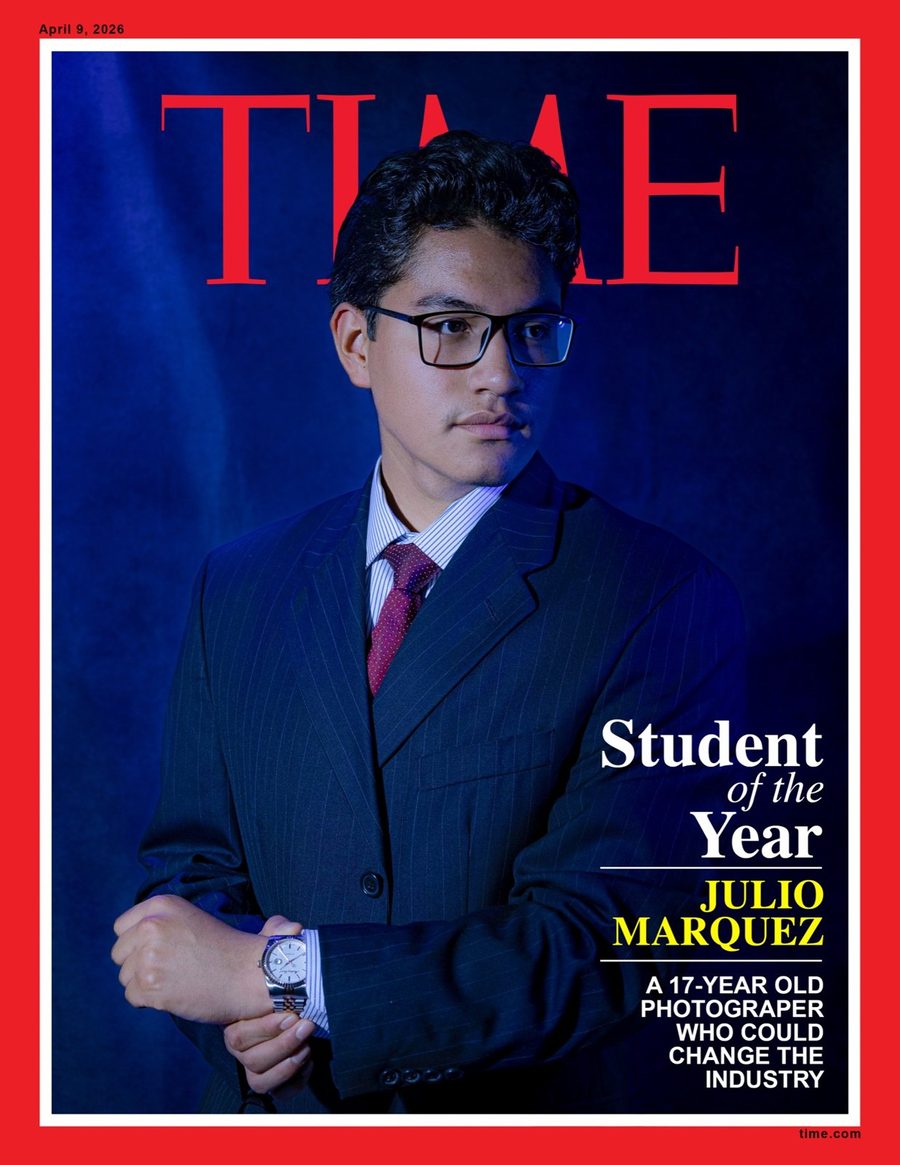
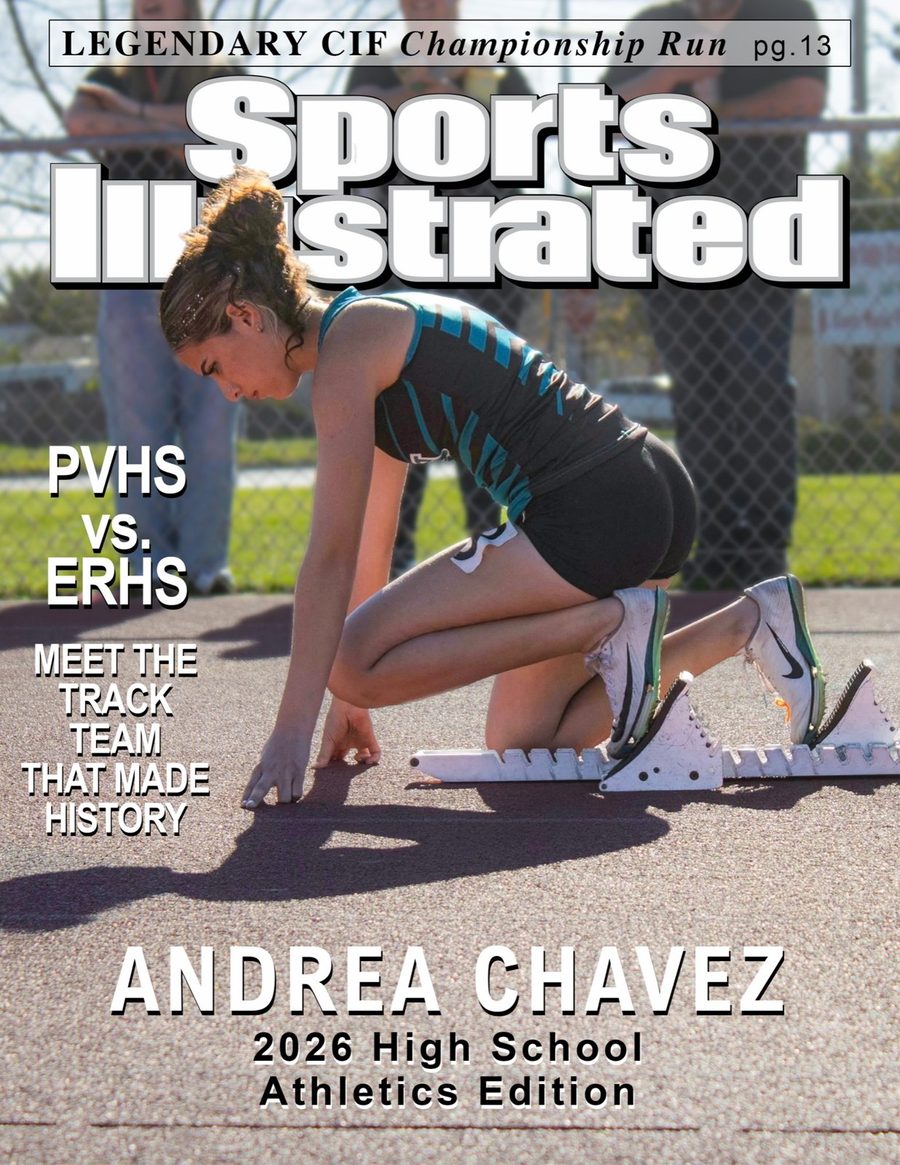
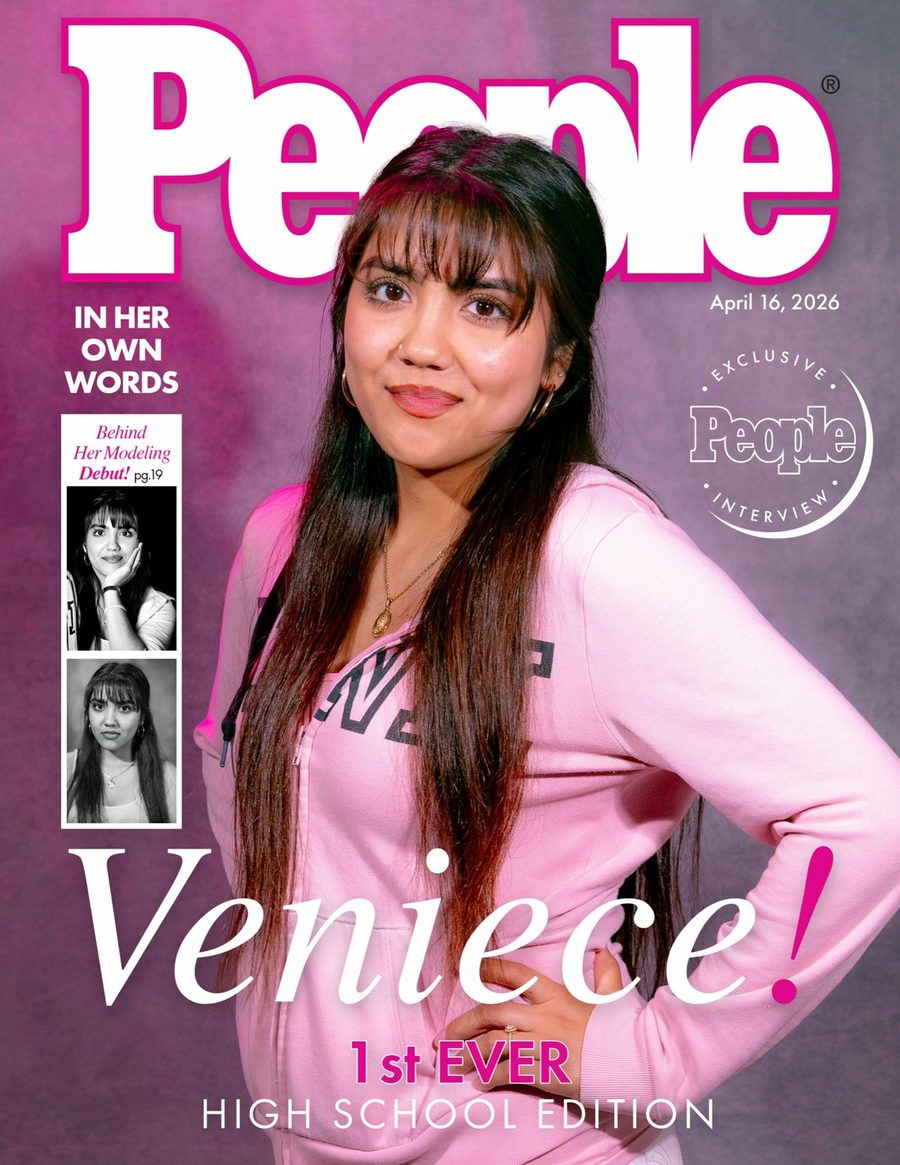
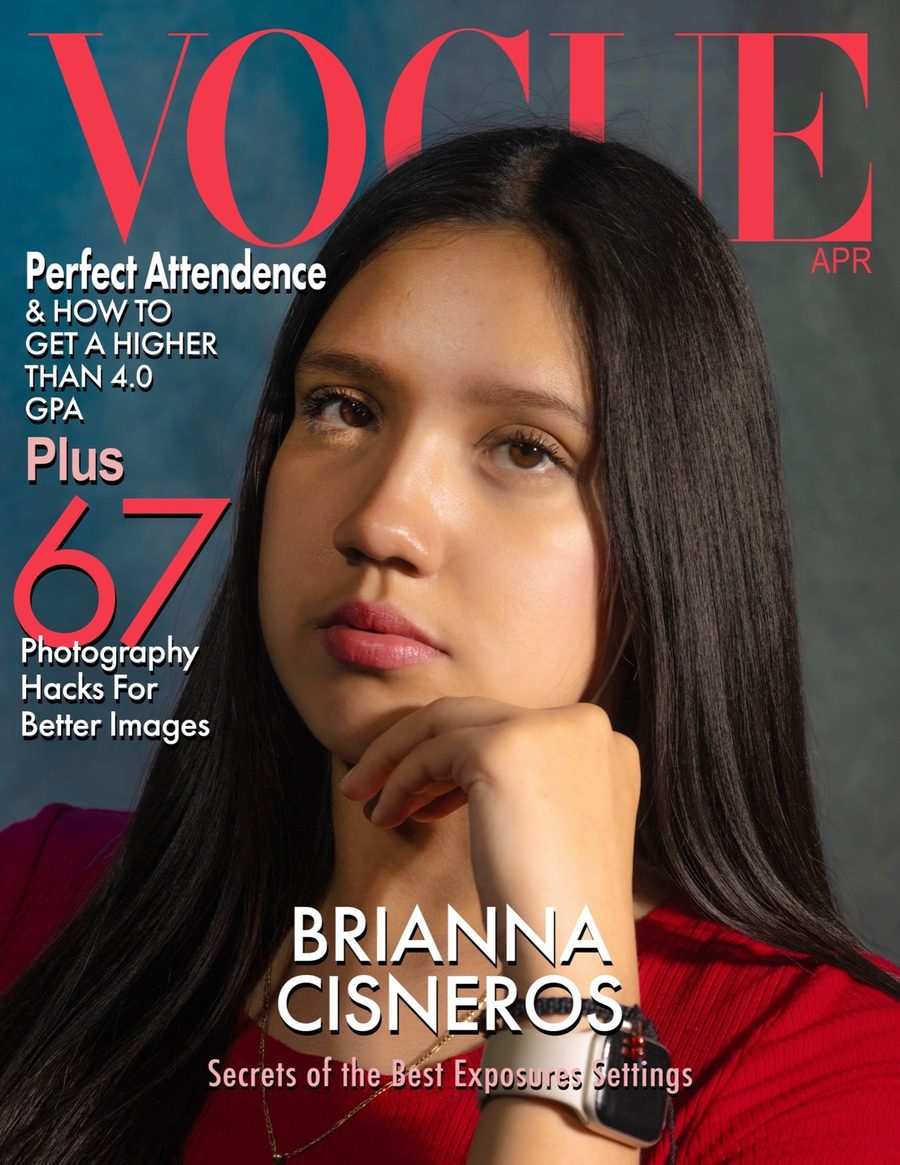
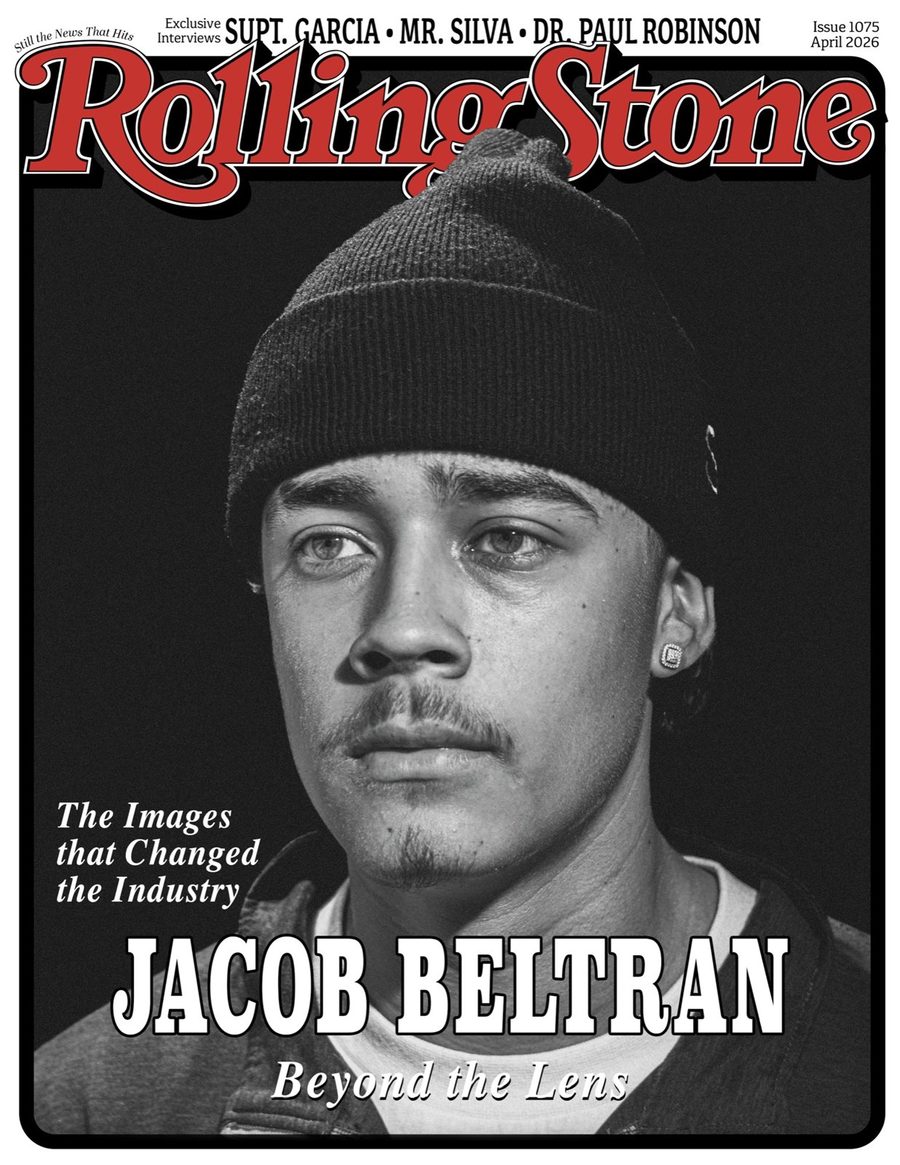
Magazine covers: photography meets design
Vogue magazine cover by Ella Naoe
Ella NaoeVogue cover
Rolling Stone magazine cover by Gregorio Calleja
Gregorio CallejaRolling Stone cover
Time magazine cover by Julio Marquez
Julio MarquezTime cover
Sports Illustrated magazine cover by Davina Royall Showalter
Davina Royall ShowalterSports Illustrated cover
People magazine cover by Jessica Valdez
Jessica ValdezPeople cover